What We Do

Services

Here's the full list of concrete work we take on, from a new driveway to a slab that needs saving.

Home › Services

Everything we take on

Every job below is one we do ourselves across Dallas.

Concrete Driveways

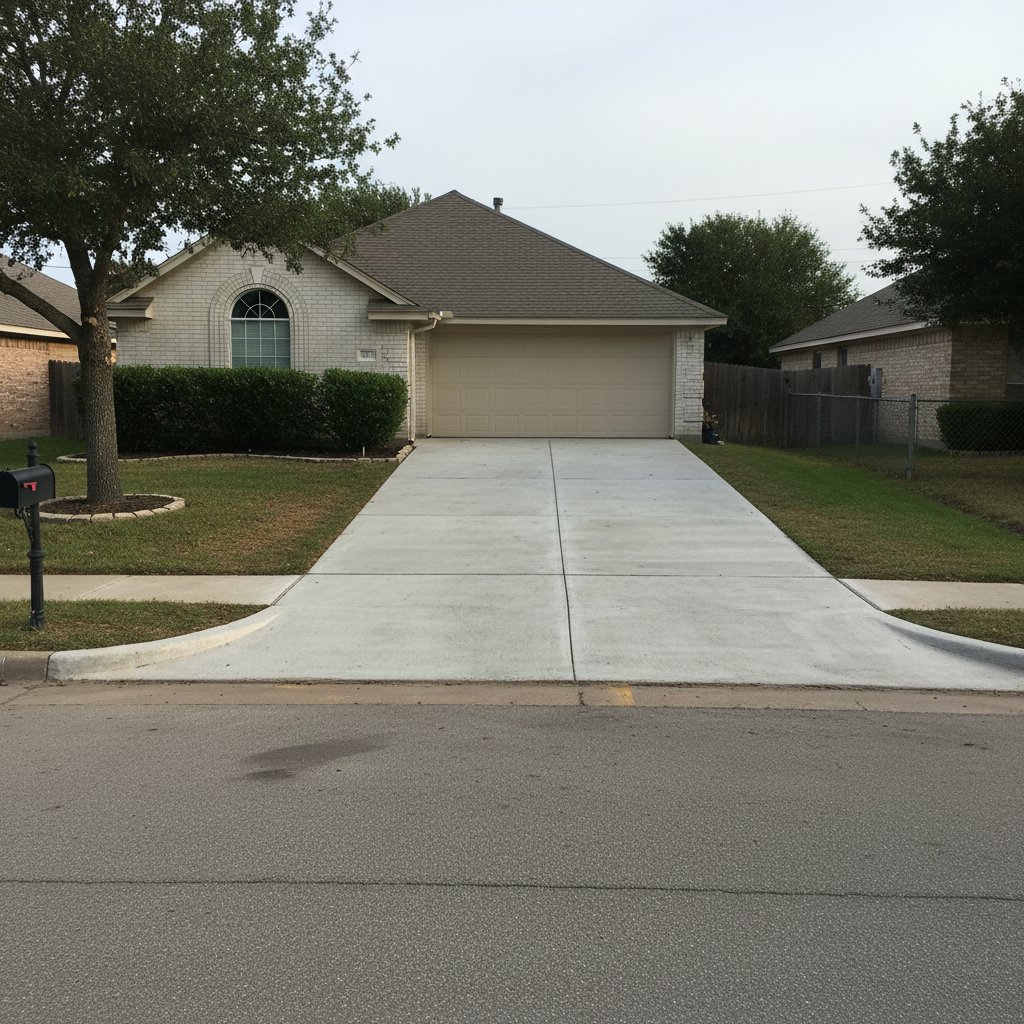
We tear out the old driveway, re-grade the base, and pour a slab sized for actual vehicle loads, not just the minimum code thickness. Standard is four inches for a car, we go thicker if you're parking a truck or RV on it. Rebar goes in on anything wider than a single car width.

Concrete Patios

We pour patios in broom finish, exposed aggregate or stamped pattern, sloped away from the house so water doesn't sit against your foundation. Most patios run four inches thick with a wire mesh or fiber mix depending on what's going on top of it.

Stamped Concrete

We stamp patterns into the concrete while it's still plastic, slate, brick, cobblestone, whatever matches your house, then seal it to bring out the color. It costs more than plain gray concrete but a lot less than real stone or pavers, and there's no grout lines for weeds to get into.

Concrete Slab Foundations

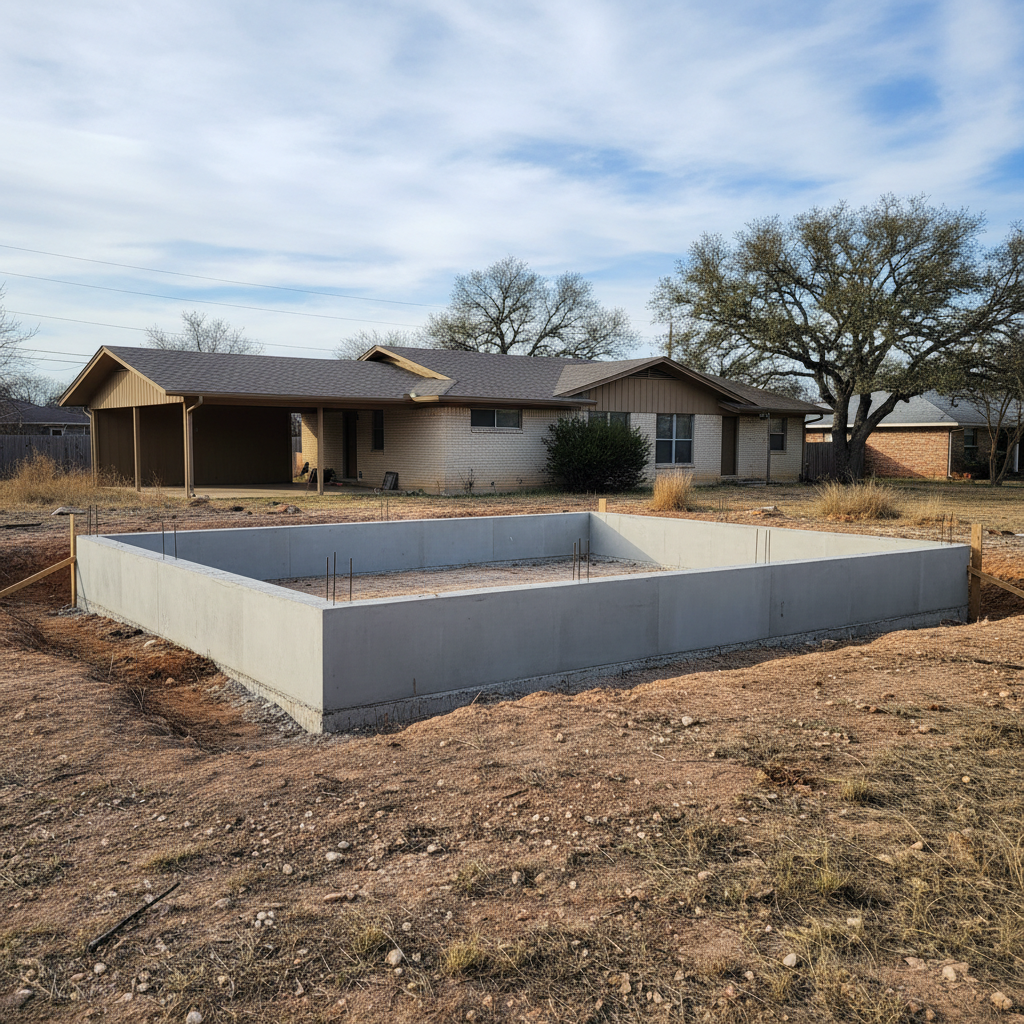
For sheds, garages and room additions, we pour a slab foundation with footings sized for the structure going on top. We check for proper drainage slope and vapor barrier before the pour, not after somebody's floor starts smelling damp.

Concrete Walkways

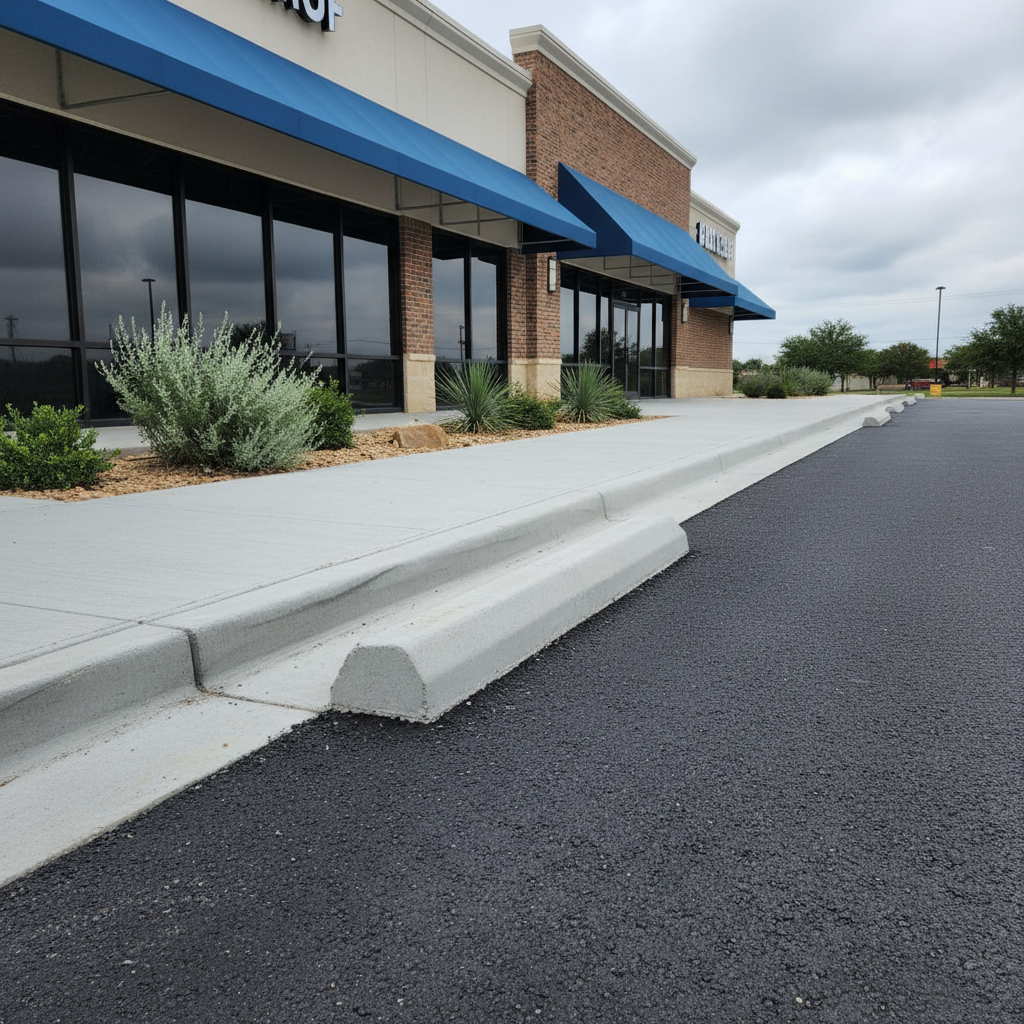
A walkway gets poured four inches thick minimum, broom finished for grip, with control joints every four to six feet so it doesn't crack in a jagged line across your yard.

Concrete Steps & Porches

Steps and porch slabs take more layout work than people think, rise and run have to match code and feel right under your feet, and the slab has to tie into your foundation without pulling away from the house over time.

Concrete Repair & Crack Repair

Hairline cracks are cosmetic and we can fill and seal them. A crack that's lifted on one side, or a slab that's sunk at a corner, usually means the base failed and needs mudjacking or a partial tear-out and repour. We'll tell you straight which one you've actually got.

Exposed Aggregate Concrete

We wash back the top layer of cement paste before it fully cures, exposing the stone underneath for a textured, non-slip surface. It holds up well around pools and on driveways where plain gray concrete gets slick when wet.

Concrete Pool Decks

Pool decks need a broom or aggregate finish for grip when wet, sloped to drain away from the pool, and expansion joints where the deck meets the coping so the two surfaces can move independently.

Retaining Walls

For yards with any slope, which is most of them once you get past downtown Dallas, we pour or block in retaining walls with drainage behind them so water pressure doesn't push the wall out in a year.

How It Works

Four steps, and no surprises in any of them.

01

We come and look

You tell us what you want doing, we look at what is actually there, and we ask the awkward questions early.

02

You get a price

In writing, itemised, free. If something might add cost later we flag it now rather than at the end.

03

We do the work

Same crew throughout. We cover your floors, keep the dust down and tidy up before we leave each day.

04

We walk it with you

You point out anything you are not happy with and we fix it before the invoice, not after.

Where We Work

All of this, across Dallas, TX

Service runs roughly 50 miles out from Dallas in every direction.

Dallas, TX
Fort Worth, TX
Arlington, TX
Plano, TX
Garland, TX
Irving, TX
Frisco, TX
McKinney, TX
Grand Prairie, TX
Mesquite, TX
Carrollton, TX
Common Questions

Things worth asking

Questions that come up once a concrete project is actually underway.

Do I need a permit for a new driveway or patio?
Most cities in the Dallas area require a permit for a new driveway, a slab addition, or a significant patio expansion, especially where it affects drainage or sits near a property line. Pulling that permit is typically handled as part of the job rather than left for the homeowner to sort out.
How long does a typical concrete pour take?
A standard driveway or patio pour takes one to two days for forming, steel, and the pour itself, followed by four to seven days before it can handle vehicle traffic. Full cure strength takes closer to 28 days, which matters more for structural slabs than for a patio.
Can concrete work be done on a tighter budget?
Plain gray concrete with a broom finish costs less than stamped or exposed aggregate and still holds up fine structurally. Reducing the footprint, phasing a project in stages, or skipping decorative sealing are other ways to bring a quote down without cutting corners on the base or the steel.
Do you guarantee your concrete work?
Workmanship is typically backed for a set period after the pour, covering issues like improper joint placement or finish defects. Normal weathering, minor hairline cracking within acceptable tolerances, and soil movement outside a contractor's control aren't usually covered, and that should be explained before any contract is signed.
Who do I talk to once the project is underway?
One point of contact typically handles scheduling, questions, and any changes once a project starts, rather than bouncing between a crew foreman and an office. That person should be reachable by phone throughout the job.
What concrete mix or materials do you use?
Standard residential flatwork uses a 3,000 to 4,000 PSI mix, with fiber reinforcement or rebar added depending on the slab's purpose and the load it needs to carry. Decorative finishes like stamped or exposed aggregate use the same structural mix with a different surface treatment.
Can I stay home while the concrete work is being done?
Most driveway and patio projects don't require vacating the home, though the driveway itself will be unusable for several days after the pour while it cures. Parking arrangements for that stretch are usually worked out ahead of time.
What do I need to do to prepare the site before the crew arrives?
Clearing the area of vehicles, furniture, potted plants, and anything stored on or near the slab location makes the biggest difference before a crew arrives. Sprinkler lines or buried cables in the work area should be flagged or pointed out in advance.
What happens if a problem turns up once the old concrete is torn out?
Issues like soft soil, old tree roots, broken irrigation lines, or buried debris sometimes show up once demolition starts, and those get flagged before the pour continues. Any added cost or scope change should be discussed and agreed on before work proceeds, not added to the final bill as a surprise.
How do I take care of new concrete after it's poured?
New concrete should stay vehicle-free for about a week and see light foot traffic for the first few days while it cures. Sealing every two to three years, keeping deicing salt off it in winter, and filling small cracks early before they widen are the main things that extend its life.

Not sure what you need?

Describe the problem and we will tell you what it probably is. No obligation.
Call (469) 368-5783